PCOS Treatment in Indore
- Home
- PCOS Treatment in Indore
PCOS Treatment in Indore: Understanding Symptoms, Diagnosis and Care
Polycystic Ovary Syndrome (PCOS) is a common hormonal condition that can affect menstrual cycles, ovulation, fertility, skin, hair and metabolic health. The condition can present differently in different women. Some may experience irregular periods, acne or unwanted facial hair, while others may first seek medical advice because of difficulty becoming pregnant.
For women looking for PCOS Treatment in Indore, understanding the symptoms and their possible causes is an important first step. PCOS is not identified from one symptom alone. A proper evaluation considers menstrual history, signs of hormonal changes, reproductive goals and other relevant health factors.
PCOS can also change in the way it affects a woman over time. Menstrual concerns may be the main issue during the early reproductive years, while fertility or metabolic health may become more important later. Treatment is therefore generally planned according to the woman’s current symptoms and health goals.
What Is PCOS and How Can It Affect Women's Health?
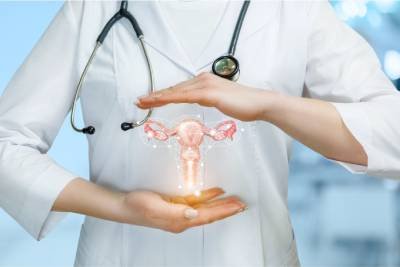
Polycystic Ovary Syndrome is a hormonal and metabolic condition that can affect women throughout the reproductive years. International clinical guidance describes PCOS as a condition with reproductive, metabolic, dermatological and psychological features. Despite its name, PCOS is not simply a condition involving ovarian cysts. The diagnosis involves specific clinical features and exclusion of other possible causes. Women may experience different combinations of symptoms. Some may have irregular ovulation and periods, while others may have androgen-related symptoms such as acne or excess hair. Fertility concerns and metabolic risk factors can also be part of the overall picture. This variation is why PCOS Treatment in Indore should be based on an individual assessment rather than applying the same treatment approach to every patient.
What Symptoms May Be Associated With PCOS?
PCOS symptoms can vary significantly between women. Some symptoms may be mild, while others can have a noticeable effect on everyday life.
Common symptoms include:
- Irregular menstrual cycles
- Missed or infrequent periods
- Long gaps between periods
- Irregular ovulation
- Difficulty becoming pregnant
- Acne or oily skin
- Increased facial or body hair
- Scalp hair thinning
- Changes in weight
- Metabolic concerns
- Symptoms associated with insulin resistance
Having one or more of these symptoms does not automatically confirm PCOS. Similar symptoms can occur with other hormonal and medical conditions, which is why assessment is important.
Why Can PCOS Cause Irregular Periods?
How Is PCOS Diagnosed?
A PCOS Diagnosis is based on the overall clinical picture. There is no single test that confirms the condition in every woman.
The evaluation may include:
Reviewing Menstrual History
The frequency, duration and pattern of menstrual cycles can provide useful information about ovulation.
Assessing Androgen-Related Symptoms
Acne, increased facial or body hair and scalp hair thinning may be assessed as possible signs of androgen excess.opriate.
Blood Investigations
Depending on symptoms and medical history, hormonal and metabolic investigations may be recommended.
Ultrasound Examination
A careful PCOS Diagnosis therefore considers symptoms, medical history and appropriate investigations together.
What Does PCOS Treatment Involve?
There is no single treatment that is suitable for every woman with PCOS.
PCOS Treatment depends on the symptoms, reproductive plans and health concerns that need attention. Management may include:
- Menstrual cycle management
- Management of acne or excess hair
- Lifestyle management
- Metabolic health assessment
- Ovulation management
- Fertility treatment when pregnancy is desired
- Long-term monitoring where appropriate
The international guideline emphasises shared decision-making, individual preferences and the woman’s specific treatment goals when choosing management options.
Treatment can also change as a woman’s priorities change.
What Fertility Options May Be Considered?
When pregnancy is the goal, the treatment approach may focus on restoring or supporting ovulation.
International PCOS guidance recommends letrozole as the first-line pharmacological treatment for ovulation induction in women with PCOS and anovulatory infertility when there are no other infertility factors.
Other fertility treatments may be considered depending on the individual’s response and the presence of additional fertility factors.
The appropriate treatment should be decided after evaluation rather than being started solely because a woman has PCOS.
Can Lifestyle Changes Help With PCOS?
Lifestyle management is an important part of PCOS
Lifestyle management may include:
- Regular physical activity
- Balanced eating habits
- Adequate sleep
- Sustainable daily routines
- Attention to emotional wellbeing
There is no single diet or exercise routine that has been shown to be the best choice for every woman with PCOS. A practical approach should consider the individual’s health, preferences and lifestyle.
What Is the Relationship Between PCOS and Weight?
Weight changes can occur in some women with PCOS, but PCOS is not simply a weight-related condition.
Women with different body sizes can experience PCOS. Weight alone cannot establish or exclude the diagnosis.
For women undergoing PCOS Treatment in Indore, weight-related concerns can be considered alongside menstrual, hormonal, reproductive and metabolic health.
The focus should be on sustainable health improvements rather than short-term restrictive approaches.
How Can PCOS Affect Metabolic Health?
PCOS can be associated with metabolic concerns, including insulin resistance and increased risk of metabolic abnormalities. International guidance recommends assessment and management of metabolic risk as part of comprehensive PCOS care.
Depending on individual risk factors, a healthcare professional may recommend appropriate metabolic assessment.
This is one reason PCOS management extends beyond menstrual symptoms. Long-term health, metabolic factors and reproductive goals may all need to be considered.
How Can a Gynecologist Help With PCOS Management?
Women looking for a PCOS Doctor in Indore may have more than one concern at the same time.
A gynecological evaluation can bring these concerns together by reviewing menstrual history, hormonal symptoms, fertility goals and relevant investigations.
Depending on the findings, management may focus on menstrual regulation, ovulation, fertility, metabolic health or symptoms such as acne and excess hair.
The treatment plan can also be reviewed over time as the woman’s needs change.
Finding PCOS Care Near Nariman Point
For women searching for PCOS Treatment near Nariman Point, Dr. Archana Mohana’s clinic is located on Nariman Point Main Road in Mahalaxmi Nagar, Indore. The official clinic website lists the same address.
The location can be useful for women living in Mahalaxmi Nagar and nearby parts of Indore who are looking for gynecological evaluation for menstrual, hormonal or fertility concerns.
For local SEO, the location should be mentioned naturally rather than repeated in every section of the page.
FAQs About PCOS treatment in Indore
What is PCOS?
PCOS stands for Polycystic Ovary Syndrome. It is a hormonal condition that can affect ovulation, menstrual cycles and other aspects of reproductive and metabolic health.
What are the main symptoms of PCOS?
Common symptoms include irregular periods, acne, increased facial or body hair, hair thinning, changes in body weight and difficulty with ovulation or conception. Symptoms vary between women.
How is PCOS diagnosed?
PCOS is evaluated using a combination of medical history, symptoms, clinical assessment and appropriate investigations. Blood tests and ultrasound may be recommended depending on the individual situation.
Is PCOS the same as PCOD?
The terms are often used interchangeably in everyday discussions, but they are not necessarily identical in medical usage. A proper clinical assessment is important to understand the individual’s condition.
Can PCOS be treated?
PCOS can be managed, although the management approach varies according to symptoms, health concerns and reproductive goals. Treatment may involve menstrual management, symptom control, lifestyle measures or fertility-related care.
Can women with PCOS get pregnant naturally?
Some women with PCOS become pregnant without fertility treatment, while others may need help with ovulation or other fertility concerns. Individual evaluation is important.
Does PCOS always cause weight gain?
No. PCOS can affect women with different body types. Weight gain may occur in some women but is not present in everyone.