
PCOM Treatment & Evaluation in Indore
- Home
- Gynecologist
PCOM Treatment & Evaluation in Indore: Understanding Ovarian Morphology
Polycystic ovarian morphology, commonly shortened to PCOM, refers to a particular appearance of the ovaries on ultrasound. It is important to understand that PCOM and PCOS are not the same thing. An ultrasound showing polycystic ovarian morphology does not, by itself, mean that a woman has polycystic ovary syndrome.
For women searching for PCOM Treatment & Evaluation in Indore, the first step is usually understanding why the ultrasound finding is present and whether it is associated with menstrual irregularity, hormonal symptoms or fertility concerns. Current international PCOS guidance considers follicle number and ovarian volume important ultrasound markers for identifying PCOM in adults.
PCOM can be identified during an ultrasound examination even when a woman has regular menstrual cycles and no significant hormonal symptoms. In other cases, it may occur alongside irregular ovulation and features associated with PCOS. This is why the ultrasound finding needs to be interpreted together with the woman’s symptoms, medical history and other investigations.

What Does Polycystic Ovarian Morphology Mean?
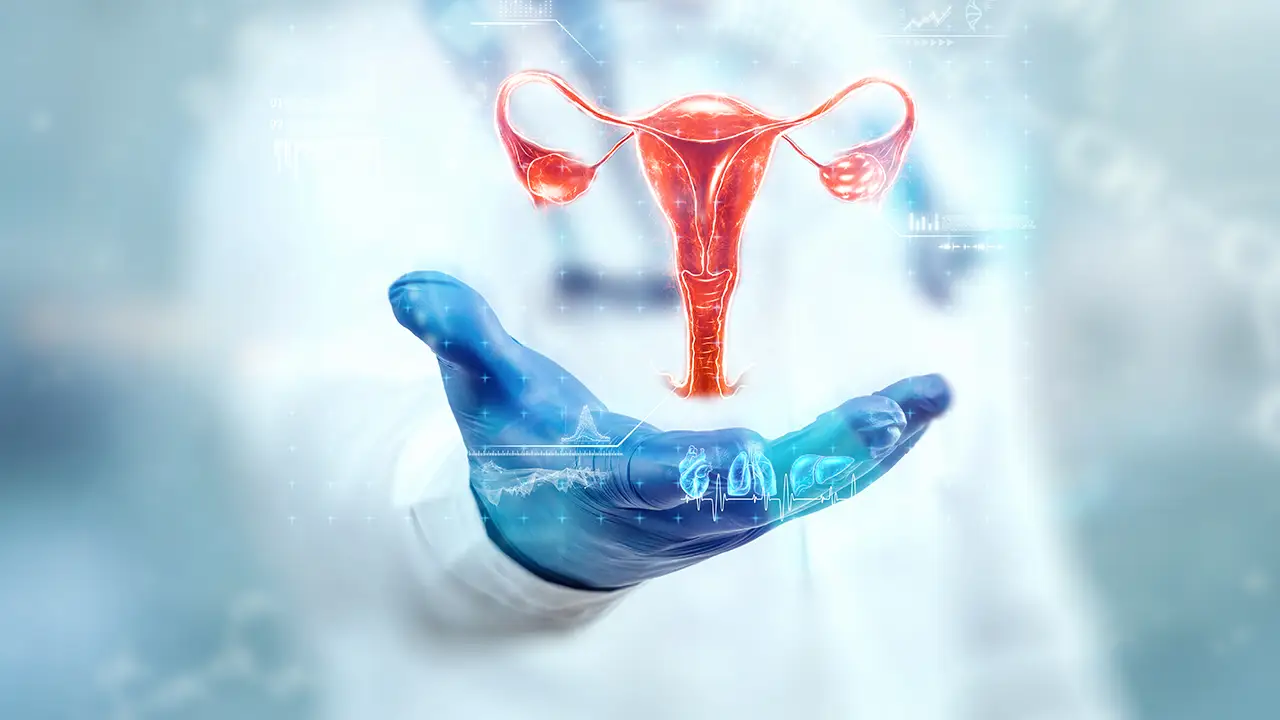
PCOM describes an ovarian appearance in which there are more small follicles than expected and/or the ovarian volume is increased. These follicles are not necessarily ovarian cysts in the usual sense. They are developing follicles that can be seen during an ultrasound examination. In adults, the 2023 international evidence-based guideline identifies follicle number per ovary as an effective ultrasound marker for PCOM. With appropriate newer ultrasound technology, 20 or more follicles in at least one ovary can be used as a threshold; ovarian volume of 10 mL or more or follicle number per cross-section may be used with older technology or when image quality limits follicle counting. Therefore, an ultrasound report mentioning “polycystic ovaries” should not automatically be interpreted as a diagnosis of PCOS.
Is PCOM the Same as PCOS?
No. This distinction is important.
PCOM describes an imaging finding, while PCOS is a clinical endocrine condition diagnosed using specific criteria. A woman may have PCOM without having PCOS.
The international guideline also notes that when a woman has both irregular menstrual cycles and hyperandrogenism, ovarian ultrasound is not necessary to establish a PCOS diagnosis.
This means an ultrasound report should always be interpreted in the context of the patient’s complete clinical picture.
Why Does PCOM Appear on an Ultrasound?
The appearance of multiple small follicles can be associated with the hormonal environment of the ovaries, but the ultrasound finding alone does not explain why it is present. Some women with PCOM may have no significant symptoms. Others may have features associated with PCOS. The reason for the finding therefore needs to be considered alongside menstrual history, hormonal symptoms, fertility concerns and other relevant clinical information.
PCOM and Irregular Periods: What Is the Connection?
PCOM and irregular periods can occur together, but one does not necessarily cause the other.
Irregular periods may indicate irregular ovulation, but menstrual irregularity can also result from thyroid disorders, changes in weight, stress, certain medications and other hormonal conditions.
If an ultrasound shows PCOM and the woman also has irregular periods, further evaluation may be appropriate to determine whether she meets criteria for PCOS or whether another explanation is more likely.
PCOM vs PCOS: Understanding the Difference
| PCOM | PCOS |
|---|---|
| Primarily describes ovarian morphology | Refers to a broader clinical syndrome |
| Usually identified through ultrasound | Diagnosis involves clinical assessment |
| Can occur without PCOS | May involve reproductive and hormonal changes |
| Does not automatically indicate infertility | Can affect ovulation in some women |
Understanding this difference can help prevent unnecessary worry after an ultrasound report.
Does PCOM Require Treatment?
PCOM Treatment depends on the clinical situation.
PCOM itself is an ultrasound finding and does not necessarily require treatment when there are no associated symptoms or health concerns.
If PCOM occurs alongside irregular periods, hormonal symptoms, ovulation problems or fertility concerns, treatment may focus on the underlying clinical issue rather than attempting to “treat” the ultrasound appearance itself.
This distinction is important because an ultrasound finding should not automatically lead to medication.
Understanding PCOM in Women Planning Pregnancy
If pregnancy is planned, the presence of PCOM may lead to questions about ovulation and fertility.
The important issue is whether the woman is ovulating regularly and whether any other factors may be affecting conception.
A gynecological or fertility evaluation may consider menstrual history, ovulation, age, previous pregnancy history and other reproductive factors.
For women seeking PCOM Evaluation in Indore before pregnancy, understanding the complete reproductive picture can be more useful than focusing only on ovarian appearance.
Can PCOM Change Over Time?
Ovarian morphology can change with age and across different stages of the reproductive years. Ultrasound technology and the method used to assess follicles can also influence how PCOM is reported.
The international guideline notes that PCOM thresholds should be reviewed as ultrasound technology advances and that age-specific cut-offs need consideration.
Therefore, an older ultrasound report should not always be compared directly with a newer scan without considering the equipment, technique and clinical context.
PCOM Evaluation in Mahalaxmi Nagar, Indore
Women looking for PCOM Evaluation in Mahalaxmi Nagar can discuss an ultrasound report and related menstrual, hormonal or fertility concerns with a gynecologist.
Dr. Archana Mohana’s clinic is located at MR – 1, House No. 2, Nariman Point Main Road, 1st Building, Mahalaxmi Nagar, Indore. The clinic is listed as an obstetrician-gynecologist and fertility care provider. Dr Archana Mohana
The evaluation can help determine whether an ultrasound finding represents isolated PCOM or whether there are additional clinical features that need attention.
PCOM Care Near Nariman Point in Indore
For women searching for PCOM Evaluation near Nariman Point, the clinic is located on Nariman Point Main Road in Mahalaxmi Nagar, Indore. The location can be relevant for women seeking gynecological evaluation for menstrual irregularities, hormonal concerns or fertility-related questions.
Local SEO should remain natural on the page. Repeating “Nariman Point” or “Mahalaxmi Nagar” in every paragraph would make the content less useful and unnecessarily repetitive.
What Happens After a PCOM Finding?
A PCOM finding does not necessarily mean that immediate treatment is required.
The next step depends on the individual situation. The doctor may:
- Review the ultrasound report.
- Ask about menstrual cycles.
- Assess symptoms related to androgen excess.
- Review fertility or pregnancy plans.
- Recommend relevant investigations when appropriate.
- Determine whether PCOS or another condition should be considered.
- Decide whether any treatment or follow-up is required.
This approach helps avoid unnecessary treatment based only on an imaging finding.
When Should You Discuss a PCOM Report With a Gynecologist?
It may be useful to discuss the report if you also have:
- Irregular or missed periods
- Difficulty becoming pregnant
- Persistent acne
- Increased facial or body hair
- Scalp hair thinning
- Concerns about ovulation
- Repeated abnormal ultrasound findings
- Questions about ovarian health
The ultrasound result should be interpreted together with your symptoms and medical history.
Frequently Asked Questions About PCOM Treatment in Indore
What is the best treatment for PCOS?
There is no single treatment that is suitable for every woman with PCOS. Management depends on symptoms, menstrual pattern, ovulation, overall health and whether pregnancy is being planned. Treatment may include lifestyle measures, menstrual-cycle management, management of hormonal symptoms or fertility-related treatment when required.
Can PCOS be treated permanently?
PCOS is a long-term hormonal condition, but its symptoms and associated health concerns can often be managed. The approach depends on the individual and may change according to symptoms and reproductive goals. Regular medical follow-up can help monitor the condition over time.
What are the most common symptoms of PCOS?
Common symptoms may include irregular or missed periods, acne, increased facial or body hair, hair thinning, changes in body weight and difficulty with ovulation. Some women may have only a few symptoms, while others may experience several.
How is PCOS diagnosed?
PCOS is diagnosed through a combination of medical history, symptoms, clinical assessment and relevant investigations. Depending on the individual situation, blood tests and pelvic ultrasound may also be recommended. An ultrasound finding alone does not automatically confirm PCOS.
Can PCOS affect fertility?
Yes. PCOS can affect ovulation in some women, which may make conception more difficult. However, having PCOS does not mean that pregnancy is impossible. Fertility evaluation can help identify ovulation-related and other reproductive factors.
Can women with PCOS get pregnant?
Yes. Many women with PCOS can become pregnant. If ovulation is irregular or pregnancy is taking longer than expected, a gynaecologist can evaluate the possible causes and discuss appropriate fertility management.
What is the difference between PCOS and PCOD?
PCOS refers to Polycystic Ovary Syndrome, a broader hormonal and reproductive condition. PCOD is a commonly used term for ovarian and hormonal changes associated with irregular ovulation. The two terms are often used interchangeably in everyday conversations, but they should not automatically be considered identical.
When should I see a gynaecologist for PCOS?
Consider an evaluation if you regularly have irregular or missed periods, persistent acne, increased facial hair, hair thinning, difficulty with ovulation or difficulty becoming pregnant. An ultrasound report mentioning PCOM can also be discussed with a gynaecologist for proper interpretation.